

 Partner Program
 Integrations
Why Does Messaging Onboarding Take So Long?
1. Technology Integration: Structured but Necessary
2. Compliance Requirements: The Real Source of Delay
How long does messaging onboarding typically take?
What is required for 10DLC messaging approval?
How can businesses speed up messaging onboarding?
Messaging onboarding takes time for two main reasons: technology integration and compliance requirements. Businesses must connect systems, configure workflows, and complete testing. At the same time, they must complete registration, define approved use cases, and provide verifiable customer consent. While both contribute to delays, compliance is often the less predictable factor, extending onboarding from days into weeks.
Messaging today is easy to use, but getting approved to send messages is not. Integration and testing follow a relatively structured path. Systems connect, APIs are implemented, and issues can be identified and resolved internally. Most teams can estimate how long this phase will take. Let’s take a closer look.
1. Technology Integration: Structured but Necessary
The first part of onboarding is technical. Systems must connect, messaging APIs need to be implemented, and workflows must be configured to support sending, receiving, and tracking messages. Testing is required to ensure delivery, formatting, and user flows work as expected.
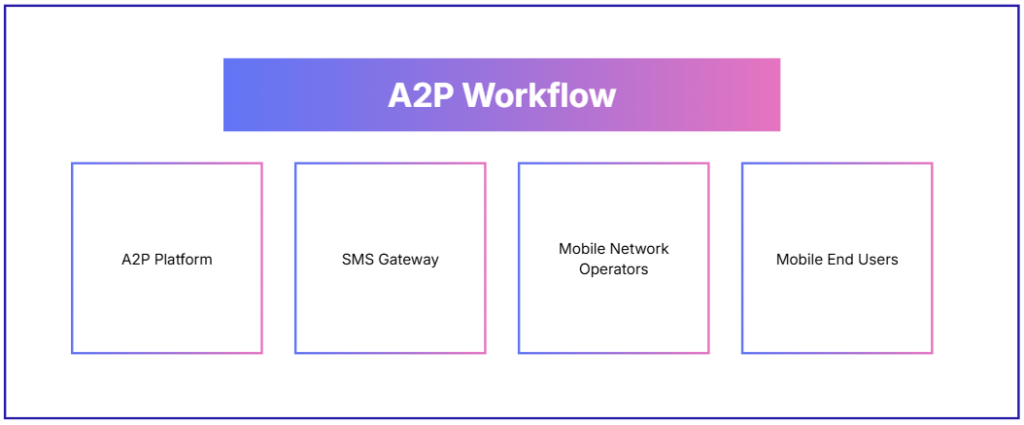
This process typically includes API integration with messaging platforms, configuration of sender types such as 10DLC, toll-free, or short code, message routing and delivery setup, and end-to-end testing across opt-in flows, message delivery, and responses.
While integration requires coordination, it is largely predictable. Teams control the timeline, issues can be diagnosed internally, and progress follows a defined path.
2. Compliance Requirements: The Real Source of Delay
The second part—and often the longer one—is compliance.
Before sending messages, businesses must complete registration and obtain approval from carriers. Using 10DLC as an example, this typically involves brand registration with verified business information, campaign registration with a clearly defined use case, submission of sample messages, documentation of opt-in and opt-out processes, and carrier review and approval.
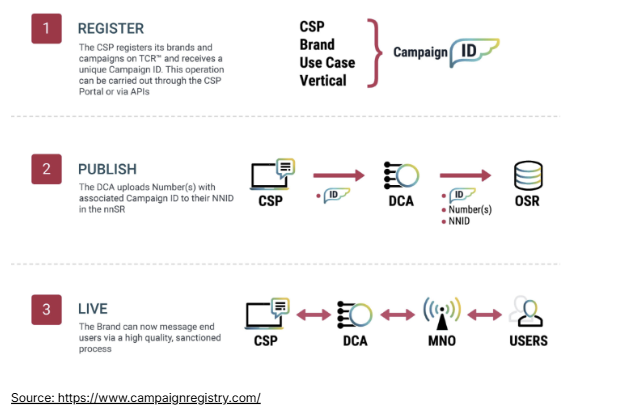
Each step must align precisely with industry guidelines. If something is unclear, inconsistent, or incomplete, the submission may be rejected and require revision.
Unlike integration, this process introduces external dependencies. Approval timelines vary, feedback is not always immediate, and requirements continue to evolve. A typical timeline can range from a few days for well-prepared submissions to multiple weeks if revisions are needed.
While 10DLC is a common pathway, similar compliance processes exist across other messaging channels. Short codes often require a more rigorous and longer approval cycle, while toll-free numbers involve verification and compliance checks with slightly different requirements. The details vary, but the pattern is consistent: messaging cannot go live without approval.
This is where onboarding becomes unpredictable.
Every rejection or clarification adds time. Internal teams must revisit use cases, adjust messaging, or refine consent language. The process becomes iterative rather than linear, and the impact is immediate. Until onboarding is complete, messaging isn’t live. Campaigns are delayed, customer engagement is postponed, and revenue tied to notifications, reminders, and transactions is pushed out.
Time-to-market in messaging is directly tied to time-to-compliance.
In messaging, speed doesn’t come from bypassing rules. It comes from removing uncertainty—especially on the compliance side. Compliance should be built into the workflow with clear requirements, guided registration, and validation before submission. This reduces rework, improves approval rates, and shortens onboarding timelines.
For example, we recently helped a new business complete onboarding within a week—showing what’s possible when both integration and compliance are structured from the start. You can read about our latest PR release here: Company News – VVPUSA
FAQ
How long does messaging onboarding typically take? Messaging onboarding can take anywhere from a few days to several weeks, depending on both technology integration and compliance approval. Integration and testing are usually predictable, but compliance steps such as 10DLC registration, campaign approval, and consent validation often introduce delays due to reviews, rejections, and resubmissions.
What is required for 10DLC messaging approval? 10DLC approval requires businesses to complete brand registration, define a clear messaging use case, provide sample messages, and document how customer consent is obtained. Carriers review this information to ensure compliance with messaging guidelines. If any part is unclear or inconsistent, the application may be rejected and require updates before approval.
How can businesses speed up messaging onboarding? Businesses can speed up messaging onboarding by preparing both integration and compliance upfront. This includes aligning messaging use cases early, clearly documenting opt-in and opt-out processes, and validating registration details before submission. Using structured or guided workflows can reduce errors, improve approval rates, and minimize rework, helping teams move from onboarding to live messaging faster.


